
London is home to thousands of Georgian and Victorian buildings that form an important part of the city’s architectural heritage. While these period properties offer charm and character, they also present unique challenges when it comes to modern regulatory compliance. Ensuring health, safety, and legal standards are met requires a careful balance between preservation and protection. This is where professional Compliance Services London play a vital role.
The Unique Risks of Period Properties
Georgian and Victorian buildings were constructed long before modern safety regulations existed. As a result, many still contain outdated materials and structural features that can increase risk. Common issues include ageing electrical systems, limited fire compartmentation, narrow staircases, and restricted escape routes.
These properties are often used as offices, schools, residential blocks, or mixed-use spaces, which increases occupancy and heightens compliance responsibilities. Without expert support, building owners may unknowingly fall short of legal requirements.
Fire Safety Challenges in Older Buildings
Fire safety is one of the most critical compliance areas for period properties. Timber structures, original floorboards, and decorative features can accelerate fire spread. In addition, installing modern fire detection systems must often be done sensitively to protect historic interiors.
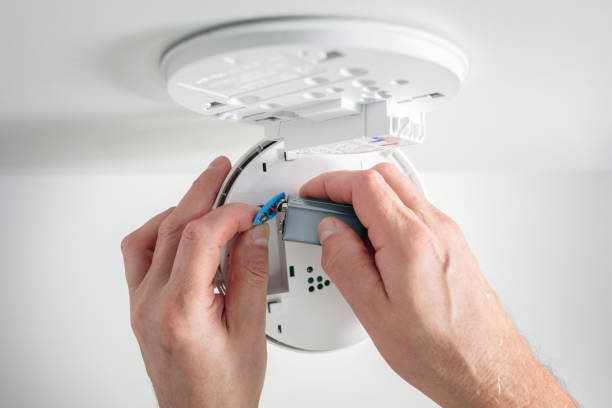
Under the Regulatory Reform (Fire Safety) Order 2005, a suitable and sufficient fire risk assessment is mandatory. Professional Compliance Services London providers ensure that fire alarms, emergency lighting, fire doors, and evacuation procedures meet current standards while respecting the building’s heritage.
Electrical Safety and Infrastructure Limitations
Victorian and Georgian properties frequently have electrical systems that were upgraded multiple times over the years. Hidden wiring, overloaded circuits, and obsolete components can present serious hazards.
Regular electrical inspections and testing are essential to identify risks before they result in failure or fire. Compliance specialists can recommend safe upgrades and testing schedules that align with both safety regulations and conservation requirements.
Health and Safety Risk Assessments
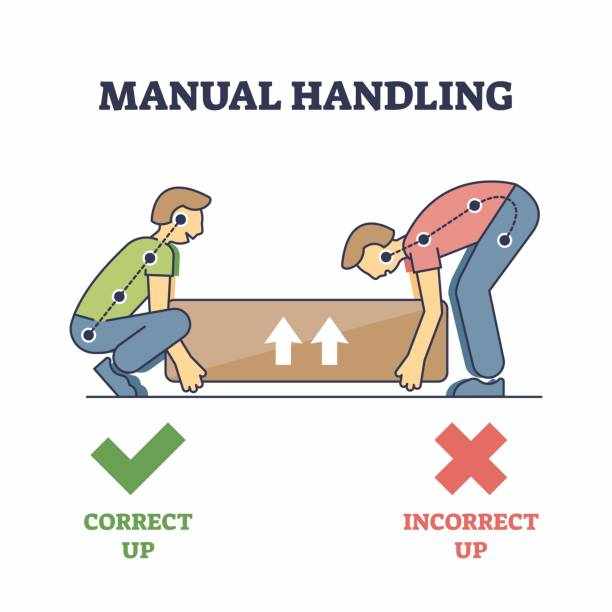
Beyond fire and electrical safety, general health and safety compliance must also be addressed. Slips, trips, poor lighting, ventilation issues, and manual handling risks are common in older buildings.
A tailored risk assessment considers the building layout, usage, and occupancy levels. Expert Compliance Services London teams ensure hazards are properly identified, controlled, and documented, helping owners meet legal obligations under the Health and Safety at Work Act.
Balancing Conservation and Compliance
Many Georgian and Victorian buildings are listed or located in conservation areas. This can limit the type of alterations that are permitted, making compliance more complex.
Experienced compliance professionals understand how to work within these constraints. They liaise with building managers and conservation officers to implement discreet safety measures that maintain the property’s historic integrity while meeting modern standards.
The Importance of Ongoing Compliance Management
Compliance is not a one-time task. Period properties require regular reviews, inspections, and updates as regulations evolve or building use changes. Poor documentation or missed inspections can lead to enforcement action, fines, or insurance issues.
By partnering with trusted Compliance Services London providers, property owners gain access to ongoing support, clear reporting, and expert guidance. This proactive approach reduces risk and ensures buildings remain safe, functional, and legally compliant.
Conclusion
Georgian and Victorian buildings are an invaluable part of London’s heritage, but they require specialist compliance solutions. From fire safety and electrical testing to health and safety risk assessments, modern regulations demand careful planning and expert execution.









Write a comment ...