
Fire safety is one of the most important responsibilities for any business. Whether operating in an office, warehouse, retail store, or industrial facility, maintaining proper Fire Compliance is essential for protecting employees, customers, property, and business operations. A fire incident can lead to severe injuries, financial losses, legal penalties, and long-term reputational damage.
Businesses that prioritize fire safety not only meet legal obligations but also create a safer and more secure working environment. Understanding the importance of fire compliance and implementing the right safety measures can significantly reduce fire risks and improve workplace protection.
What Is Fire Compliance?
Fire Compliance refers to following all fire safety laws, regulations, and best practices designed to prevent fire hazards and ensure safe evacuation during emergencies. It involves maintaining fire safety systems, conducting risk assessments, training employees, and ensuring that buildings meet required fire protection standards.
Fire compliance requirements may vary depending on the industry, building type, and local regulations, but the overall goal remains the same: reducing the risk of fire and protecting lives and property.
Importance of Fire Compliance in the Workplace
Fire incidents can happen unexpectedly and spread rapidly if proper precautions are not in place. Businesses that ignore fire safety responsibilities may face devastating consequences.
Proper Fire Compliance helps organizations:
Protect employees and visitors
Reduce the risk of fire-related injuries
Prevent property damage
Minimize operational downtime
Meet legal safety obligations
Avoid costly fines and penalties
Improve business reputation
A safe workplace also increases employee confidence and demonstrates that the organization values health and safety.
Conducting Fire Risk Assessments
One of the key components of Fire Compliance is carrying out regular fire risk assessments. These assessments help identify potential fire hazards and evaluate whether existing safety measures are effective.
Common fire hazards include:
Faulty electrical systems
Overloaded power outlets
Flammable materials
Blocked emergency exits
Poor housekeeping
Malfunctioning equipment
A fire risk assessment should examine all areas of the workplace and identify steps needed to reduce risks. Businesses should regularly review and update assessments, especially after workplace changes or renovations.
Installing and Maintaining Fire Safety Equipment
Fire safety equipment plays a major role in preventing and controlling fire incidents. Businesses must ensure that all systems are properly installed, regularly inspected, and fully operational.
Important fire safety equipment includes:
Fire alarms
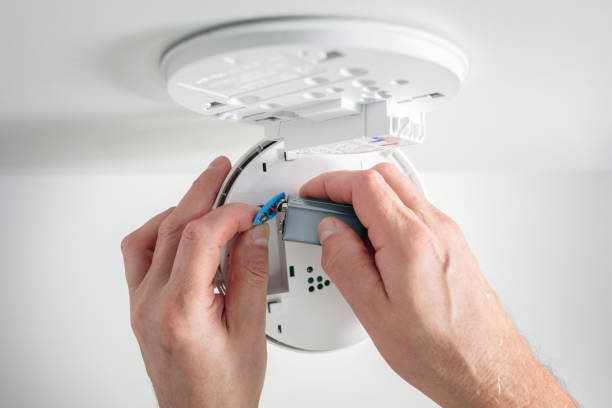
Smoke detectors
Fire extinguishers
Emergency lighting
Sprinkler systems
Fire doors
Routine maintenance is critical for effective Fire Compliance. Faulty or outdated equipment may fail during emergencies and put lives at risk.
Regular testing and servicing help ensure that all fire protection systems function correctly when needed most.
Employee Fire Safety Training
Employees are an important part of workplace fire safety. Without proper training, workers may not know how to respond during emergencies or prevent fire hazards.
Businesses should provide fire safety training that covers:
Emergency evacuation procedures
Proper use of fire extinguishers
Fire hazard awareness
Reporting unsafe conditions
Assembly point procedures
Fire drills should also be conducted regularly so employees can practice evacuation procedures and respond calmly during real emergencies.
Strong employee awareness supports better Fire Compliance and helps reduce panic during incidents.
Maintaining Clear Emergency Exits
Blocked or poorly marked emergency exits are a serious safety risk. During a fire emergency, employees and visitors must be able to leave the building quickly and safely.
Businesses should ensure that:
Emergency exits remain unlocked during working hours
Escape routes are free from obstruction
Exit signs are clearly visible
Emergency lighting functions properly
Regular inspections help confirm that evacuation routes remain accessible at all times.
Importance of Fire Documentation
Accurate documentation is essential for proving Fire Compliance. Safety records demonstrate that the business is actively managing fire risks and meeting legal obligations.
Important fire safety records may include:
Fire risk assessments
Fire alarm testing reports
Fire extinguisher inspection records
Emergency drill reports
Employee training logs
Proper documentation is especially important during inspections, audits, or investigations.
Using digital compliance management systems can help businesses organize records efficiently and ensure that important documents remain updated.
Staying Updated with Fire Safety Regulations
Fire safety laws and standards may change over time. Businesses that fail to stay informed about updated regulations risk becoming non-compliant.
Regulatory updates may involve:
New fire alarm requirements
Changes to evacuation procedures
Updated building safety standards
Revised inspection schedules
Businesses can stay compliant by:
Working with fire safety professionals
Scheduling regular compliance reviews
Following official safety guidance
Providing updated employee training
Keeping up with legal requirements helps businesses avoid penalties and maintain safer workplaces.
Creating a Strong Fire Safety Culture
Effective Fire Compliance goes beyond equipment and documentation. Businesses must also create a strong workplace safety culture where fire prevention is taken seriously by everyone.
Management should encourage employees to:
Report hazards immediately
Follow safety procedures
Participate in training programs
Support workplace safety initiatives
When employees understand the importance of fire safety, they are more likely to contribute to a secure working environment.
Leadership commitment is equally important. Businesses that actively prioritize safety often experience fewer workplace incidents and stronger employee trust.
Conclusion
Maintaining proper Fire Compliance is essential for protecting people, property, and business operations. From conducting fire risk assessments to maintaining safety equipment and training employees, every aspect of fire safety plays a critical role in reducing workplace risks.
Businesses that invest in fire compliance not only meet legal obligations but also create safer and more efficient workplaces. Regular inspections, updated safety procedures, and proactive fire prevention strategies help organizations minimize risks and respond effectively during emergencies.








Write a comment ...