
In today’s fast-paced business environment, maintaining a safe and secure workplace is no longer optional—it is a necessity. Health & Safety Compliance plays a critical role in ensuring that organizations meet legal requirements while also creating a positive working environment for employees. Beyond simply avoiding penalties, effective compliance can significantly improve employee wellbeing, reduce risks, and enhance overall productivity.
What is Health & Safety Compliance?
Health & Safety Compliance refers to the process of adhering to laws, regulations, and standards designed to protect the health, safety, and welfare of employees and others in the workplace. It involves identifying potential hazards, implementing safety measures, and continuously monitoring and improving workplace practices.
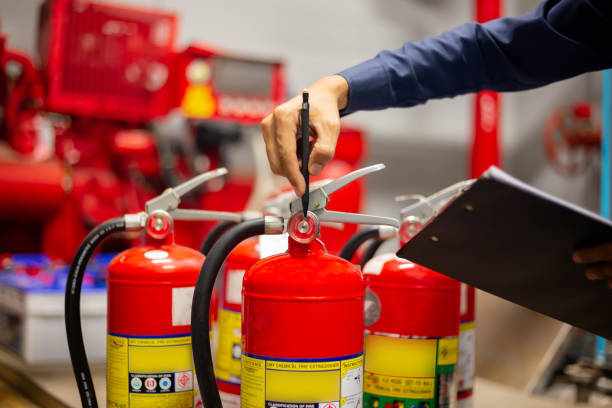
From fire safety protocols and electrical inspections to risk assessments and employee training, compliance covers a wide range of responsibilities. Businesses that prioritize these measures not only meet legal standards but also build a strong foundation for sustainable growth.
Protecting Employees Through Compliance
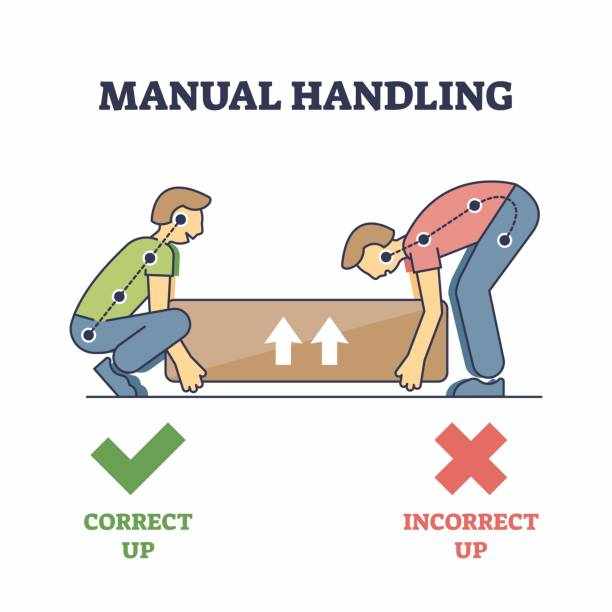
The primary goal of Health & Safety Compliance is to safeguard employees from workplace hazards. Every industry has its own risks, whether it’s slips and falls in offices, exposure to harmful substances in industrial settings, or ergonomic issues in desk-based jobs.
By conducting regular risk assessments and implementing preventive measures, businesses can:
Reduce workplace accidents and injuries
Minimize exposure to health risks
Ensure proper use of equipment and machinery
Provide a safe and comfortable working environment
When employees feel safe, they are more confident and focused in their roles. This not only improves their physical wellbeing but also positively impacts mental health by reducing stress and anxiety related to unsafe conditions.
Boosting Employee Morale and Engagement
A workplace that prioritizes Health & Safety Compliance sends a clear message: employees matter. This commitment fosters trust and loyalty among staff, leading to higher morale and engagement.
Employees who feel valued are more likely to:
Stay motivated and productive
Take fewer sick days
Contribute positively to team dynamics
Remain loyal to the organization
In contrast, neglecting safety can lead to dissatisfaction, high turnover rates, and a negative workplace culture. Investing in compliance is, therefore, also an investment in employee satisfaction.
Enhancing Productivity and Efficiency
There is a direct link between Health & Safety Compliance and workplace productivity. When safety measures are in place, employees can focus on their tasks without worrying about potential risks.
Here’s how compliance boosts productivity:
Reduced downtime: Fewer accidents mean fewer disruptions to operations
Improved focus: A safe environment allows employees to concentrate better
Streamlined processes: Clear safety procedures improve workflow efficiency
Lower absenteeism: Healthy employees are more consistent in attendance
Additionally, well-trained employees who understand safety protocols are more efficient in handling tasks and responding to emergencies, further improving operational performance.
Legal Protection and Risk Management
Failing to meet Health & Safety Compliance standards can result in severe consequences, including fines, legal action, and reputational damage. Regulatory bodies enforce strict guidelines, and non-compliance can lead to costly penalties.
By staying compliant, businesses can:
Avoid legal complications and financial losses
Maintain a positive reputation in the market
Build trust with clients, partners, and stakeholders
Demonstrate corporate responsibility
Effective compliance also involves proper documentation, regular audits, and continuous improvement, all of which contribute to better risk management.
Creating a Culture of Safety
True Health & Safety Compliance goes beyond ticking boxes—it involves creating a culture where safety is embedded in everyday operations. This requires commitment from both management and employees.
To build a strong safety culture, businesses should:
Provide regular training and awareness programs
Encourage employees to report hazards and concerns
Conduct routine inspections and updates
Lead by example at the management level
When safety becomes a shared responsibility, it leads to long-term benefits for both employees and the organization.
The Role of Training and Awareness
Training is a key component of Health & Safety Compliance. Employees need to understand the risks associated with their roles and how to mitigate them effectively.
Regular training sessions help to:
Improve awareness of workplace hazards
Ensure correct use of safety equipment
Prepare employees for emergency situations
Reinforce compliance policies and procedures
An informed workforce is a safer workforce, and this directly contributes to improved productivity and reduced incidents.
Conclusion
Health & Safety Compliance is more than just a legal requirement—it is a strategic approach to building a safer, more productive workplace. By protecting employees from harm, boosting morale, and improving operational efficiency, compliance delivers significant benefits to businesses of all sizes.
Organizations that prioritize safety not only reduce risks but also create an environment where employees can thrive. In the long run, this leads to increased productivity, stronger team performance, and sustainable business success.









Write a comment ...